
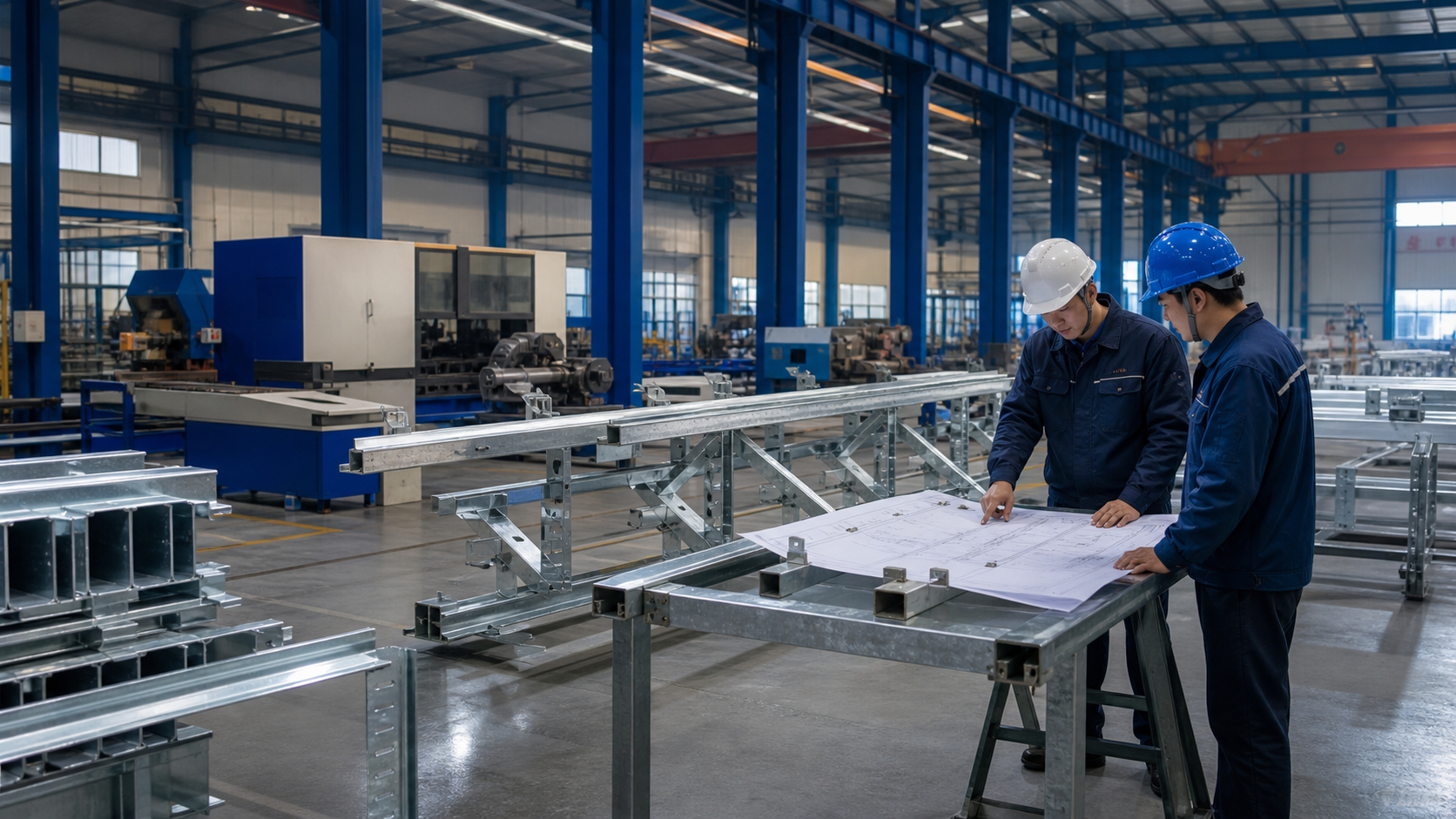
Where solar structures and fabricated steel come together.
Tianjin Jinyida Co., Ltd. connects system products, drawing-led fabrication and delivery preparation within one practical project conversation.
Not catalogue first.
Project first.
The useful starting point is not a long product list. It is the application, geometry, material, quantity and destination that determine what the system must become.
Tianjin · Solar · Fabricated steelOne scope across systems and parts.
Standard mounting families can sit beside drawing-led profiles, connections, weldments and foundation interfaces without splitting the discussion into unrelated purchases.
Manufacturing questions stay visible.
Dimensions, material, finish, assembly logic and open interfaces are surfaced before the component scope hardens.
Delivery is designed, not appended.
Identification, grouping and packing remain connected to the part list so the handoff makes sense beyond the factory door.

The drawing has to survive the factory floor.
Project requirements become useful only when geometry, material and operations can be read as one buildable path.
One structure can cross several product families.
A real project may need a system, structural members, foundation interfaces, hardware and finishing decisions at the same time.
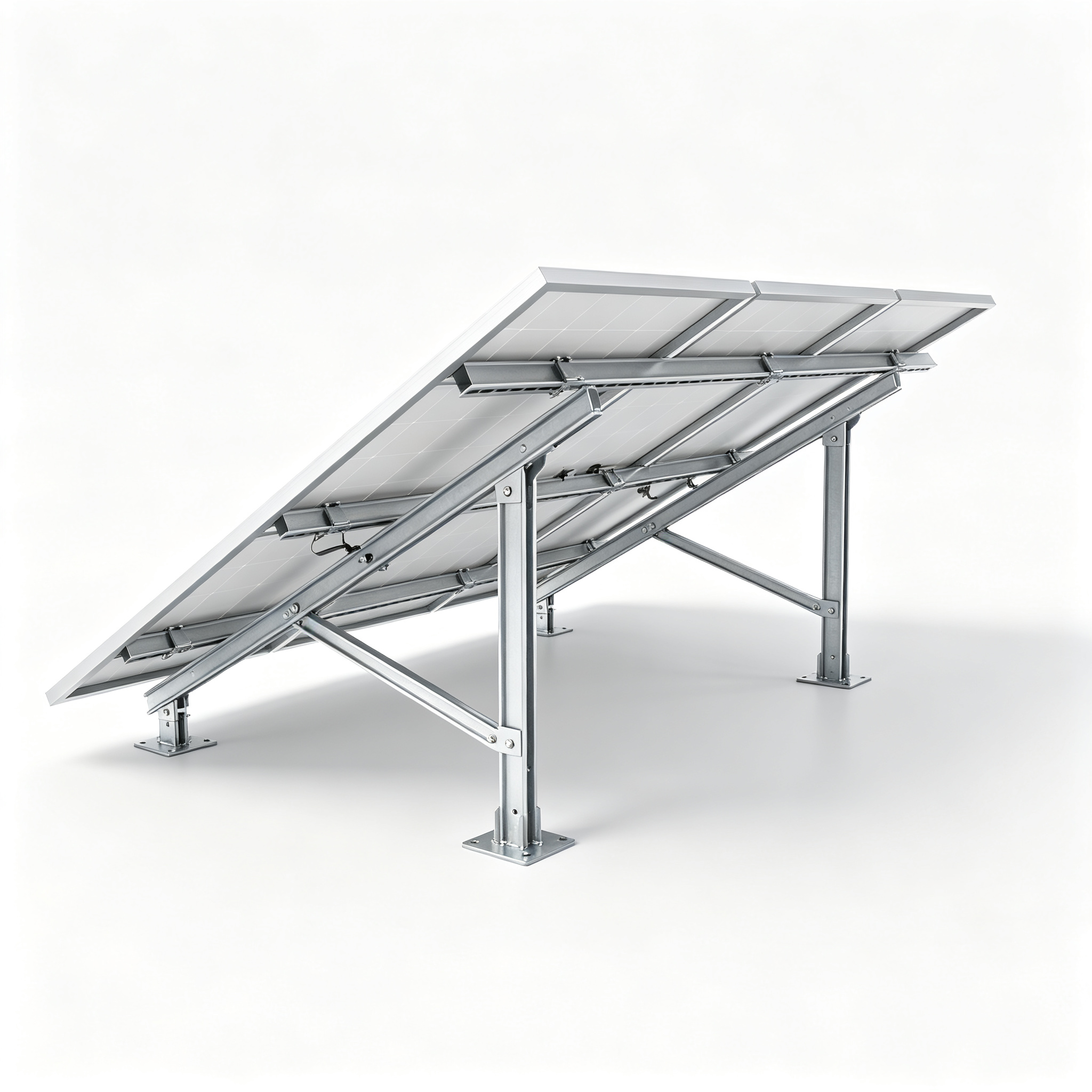
Ground and roof routes connected to compatible steel members and hardware.
↗Open Photovoltaic solar systems
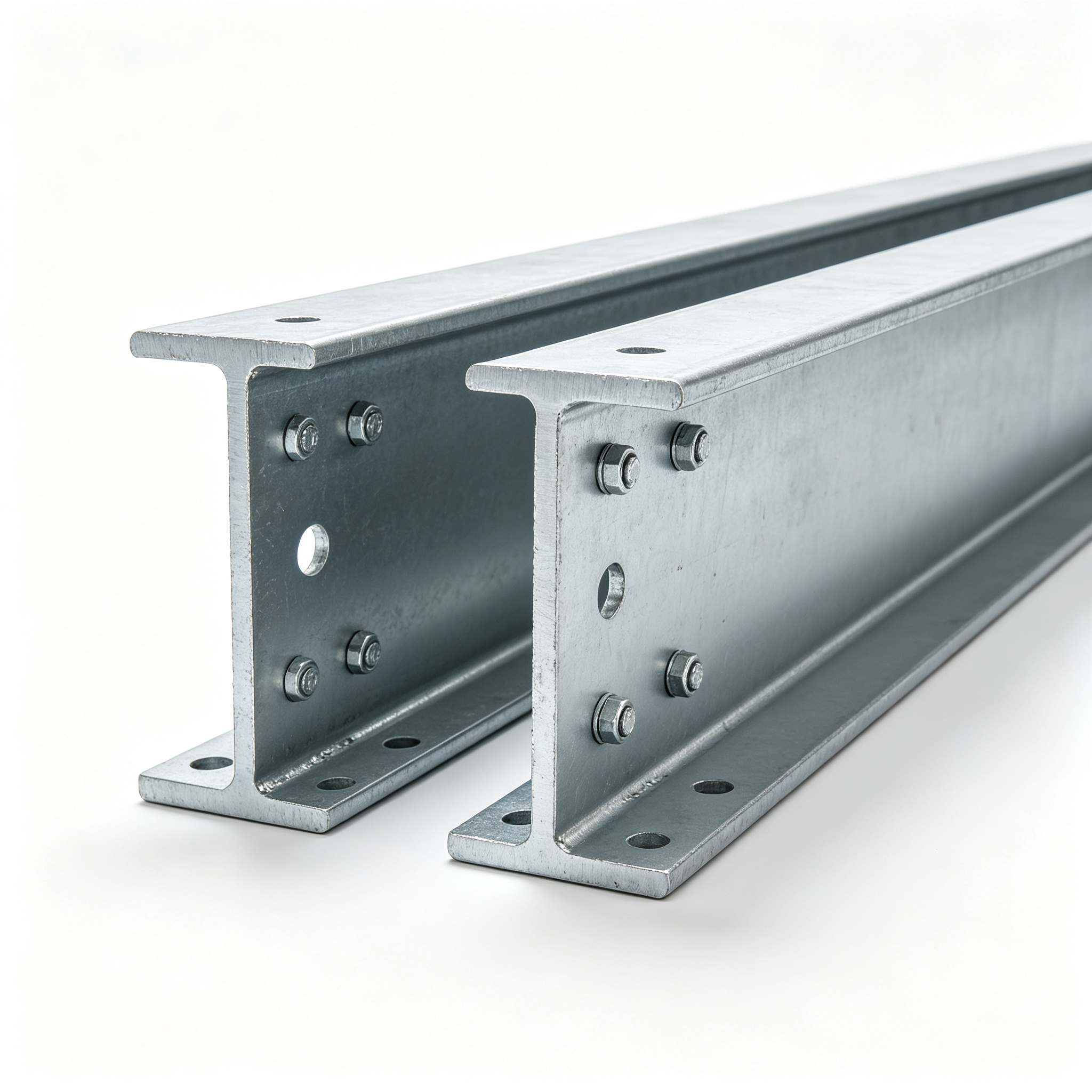
Cold-formed sections, beams, plates, connectors, stampings and welded assemblies.
↗Open Structural components
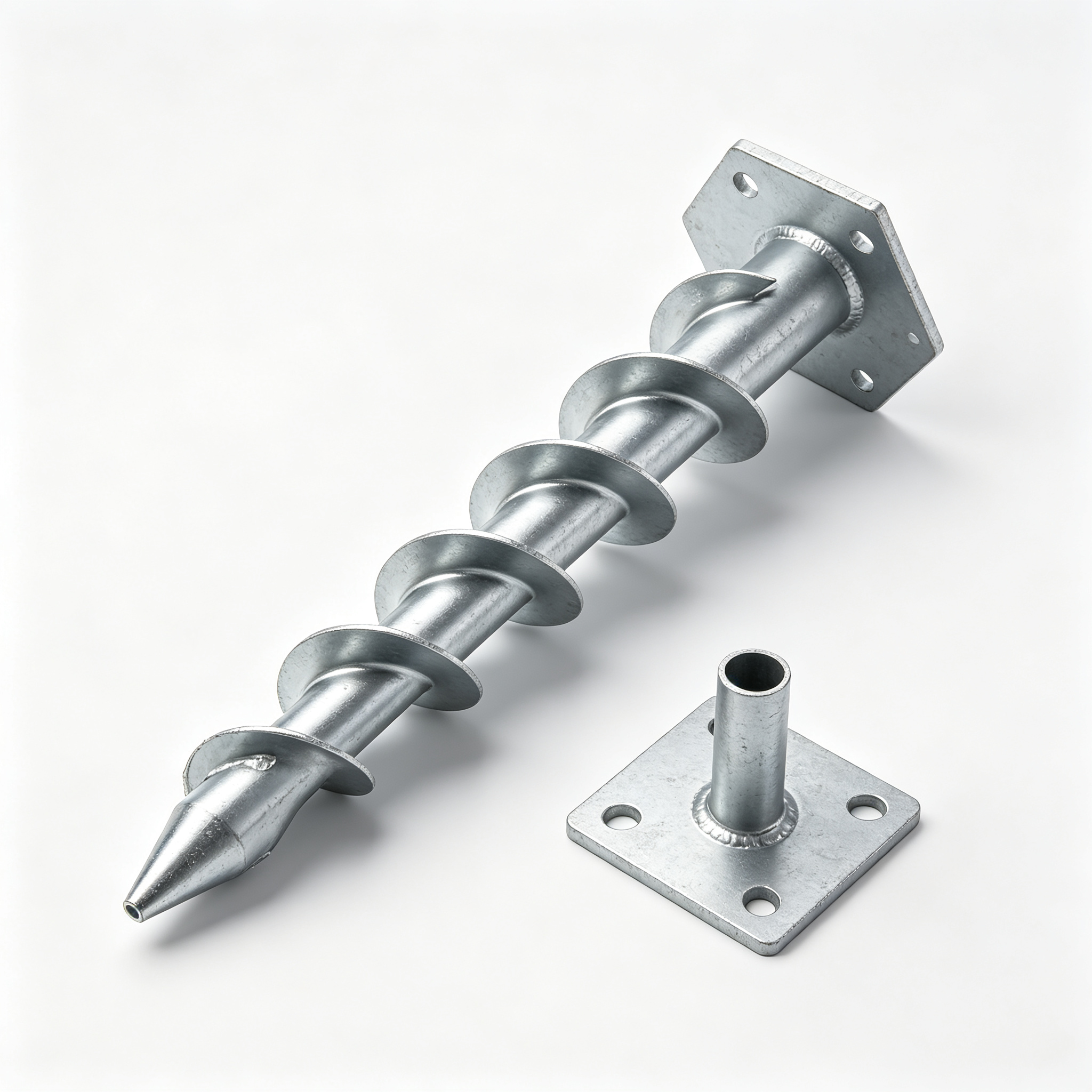
The interfaces that connect structures to the site and keep installation groups complete.
↗Open Foundations & accessories

Surface treatment, part identity, grouping and packing planned as part of the component scope.
↗Open Finish & deliveryHow an international project moves through Tianjin Jinyida.
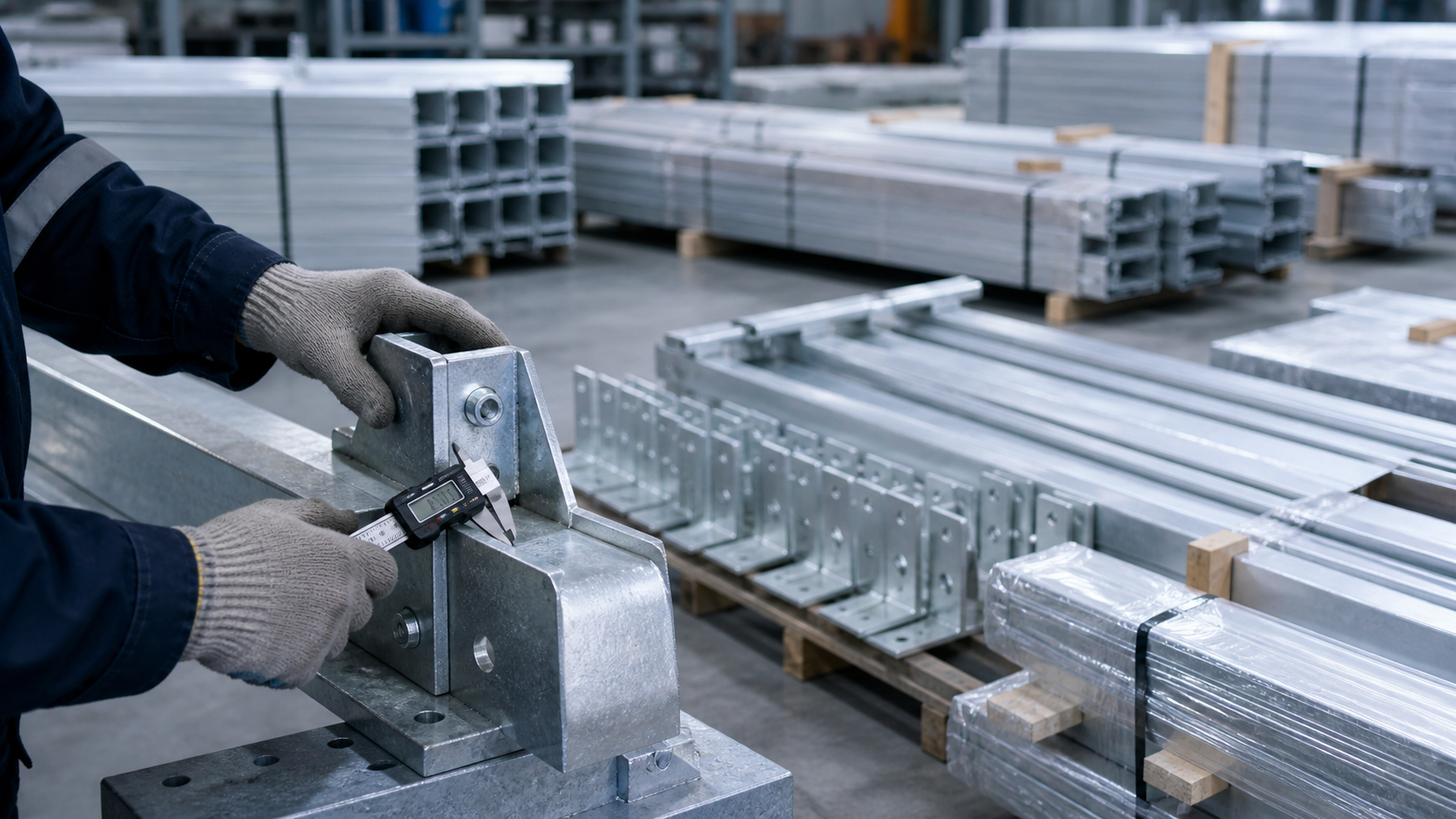
Each phase should leave the next one with clearer information, fewer hidden assumptions and a more practical handoff.
- 01
Put the application on the table.
Share the project type, location, drawings, quantities and timing priorities — even if the specification is not finished.
- 02
Resolve the component logic.
Connect spans, interfaces, profiles, fasteners and assembly needs to the way the system will actually be built.
- 03
Align material and finish.
Keep the base material, site environment and surface-treatment route attached to the agreed component scope.
- 04
Prepare the site handoff.
Confirm part identity, grouping, protective packing and delivery priorities before the shipment leaves.

Quality is a chain of visible checks.
A finished part is only useful when it still matches the drawing, the assembly and the delivery plan.
Drawing & revision
Work from the agreed geometry, interfaces and current project information.
Material & dimensions
Keep material route and component dimensions tied to the defined scope.
Finish condition
Review treatment requirements against material and site environment.
Identity & packing
Prepare parts in groups that support recognition, handling and site assembly.
What we want every project conversation to keep.
Clear inputs, buildable decisions and continuity through the final handoff.
Clarity before promises.
Application, interfaces and open questions are more useful than broad claims without project context.
Fit across the whole structure.
Sections, connections, foundations, accessories and finish should read as related decisions.
Continuity through delivery.
The brief should remain recognizable when the component is finished, identified, packed and prepared for shipment.
天津金宜达有限公司
